Continuum has provided the highest quality facilities and landscaping services in the U.S. since 2007. With the acquisition of Weber Environmental Services in May 2023, Continuum/Weber has become an organization with significant scale and landscaping capability in the Florida market. Part of that capability is servicing customers in response to damage from natural disasters.
Experience and Professionalism
During Florida’s hurricane and storm season, safety for you and your loved ones is always a priority. When the all-clear is given, property cleanup begins. With the challenges involved in these efforts, it’s best to enlist the assistance of skilled professionals to conduct the cleanup of your property or business after a storm.
What Sets Us Apart?
Continuum/Weber customers have peace of mind knowing their properties will be safe and secure after a storm. Our process prioritizes the health and well-being of everyone involved and ensures the highest quality service to our contract customers.
Scope of Work
Once the area is cleared by the federal and local authorities, Continuum/Weber will perform a general inspection and report of conditions to the Property Manager for their use in evaluation and response to post-storm site conditions. Continuum/Weber mobilizes manpower, equipment and vehicles to the job site within 24 hours of the authorities’ clearance to provide cleanup services.
Continuum/Weber services include cleanup, debris removal/dumping and tree reset/removal. Rates are based on a standard, per-contract basis. To discuss details, call (833) 378-4088 or email cs-sales@ContinuumServices.com.
Tips to prepare for what may come.
Hurricane Safety
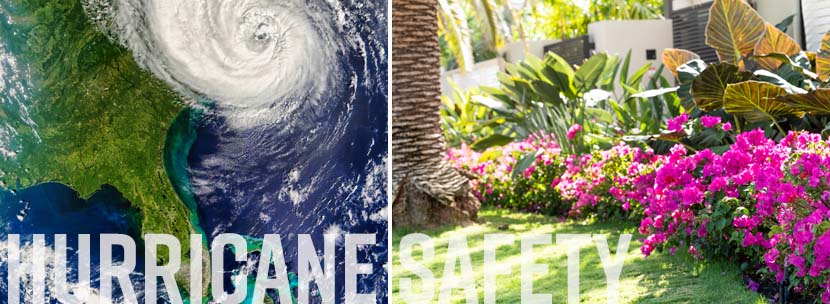
Hurricanes are a significant concern every year for residents of the Southeastern United States. Capable of producing heavy flooding and destructive winds, the strongest hurricanes can destroy homes and present serious risks. Meteorologists begin tracking hurricanes and tropical storms when they are detected on satellite imagery, sometimes weeks before they make landfall. It is important to take advantage of this advance notice and prepare.
Those faced with an impending hurricane should stay abide by the guidance given by local officials, including evacuation orders. Develop a plan for the route you would take to leave and where you would stay. Factor extra travel time into your plans and gather extra supplies such as food, batteries, and water. Ensure your gas tank is full and your cell phones charged. Keep nonperishable foods, batteries, medical supplies, important files, and prescription medicines in an easily accessible storm preparedness kit.
Losing Power
A home generator can be a lifesaver for those losing power after a hurricane. Home generators are available at a variety of price points, with standby home generators the most expensive option. They are powered by natural gas or liquid propane, and they are permanently wired into your home’s electrical system. Standby generators provide nearly immediate power after an outage. Portable generators are usually powered by gasoline or diesel fuel. They are smaller and more affordable than standby generators, but they have a smaller electrical output and can be difficult to hook up in a storm.
Flood Safety
Heavy rainfall from storms and hurricanes can cause flooding. Low-lying areas—especially those near a body of water—are often at risk. Predicting flash floods can be difficult, so err on the safe side to evacuate if you feel any risk.
Tornado Safety
Tornadoes often appear with little warning, meaning that you might have to make critical decisions in a matter of minutes.
Anyone caught in a tornado should immediately head to a basement area, if possible. In many municipalities, mobile home parks are required to have underground storm shelters. If getting to a basement is not possible, get to the lowest point in the home and stay away from windows, glass objects and unsecured furniture. Place something to protect your head and body.
Once sheltered, find something to protect your head, neck and back. Remain low to the ground and wait for the tornado to pass. Stay aware of tornado sirens, and only resume movement once the sirens stop and the storm is clear. After a tornado, avoid any areas that could possibly have downed power lines, and report any that you see to your electrical service provider.
Communications
Tornadoes can damage utilities and broadcast towers, making it difficult to get information after the event. A portable weather radio is a great investment if you live in a storm-prone area. Keep it in the area where you plan on sheltering, along with your other supplies. Weather radios are available at a variety of price points, but even the least expensive ones will give you valuable information about storms in your area.

