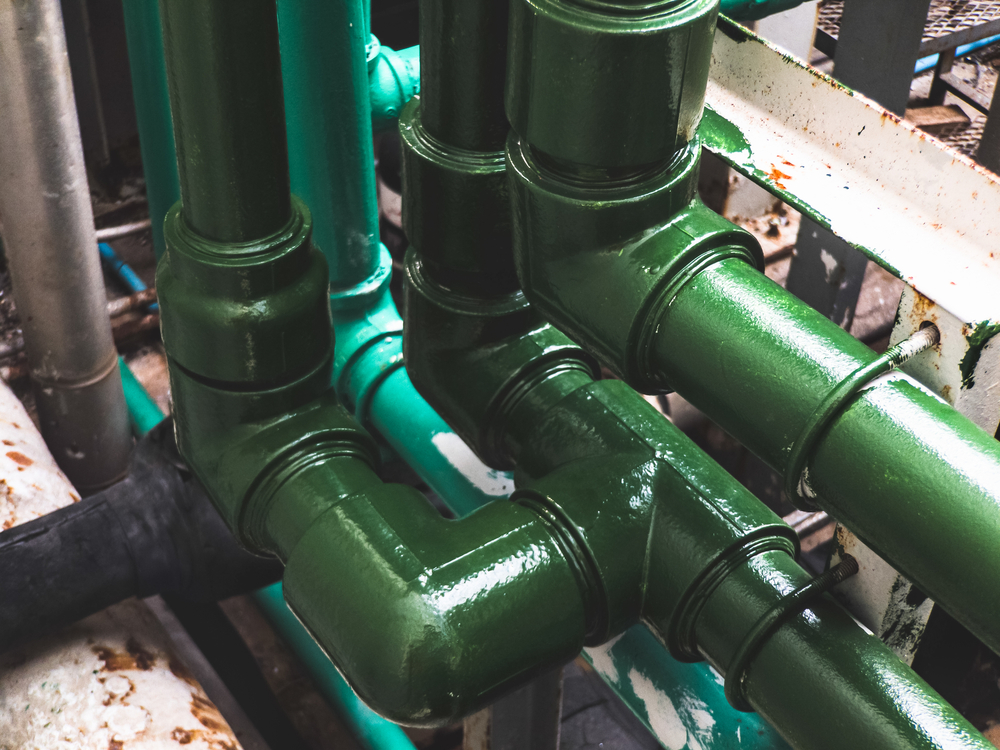
Since its introduction in 1952, polyvinyl chloride (PVC) piping has become a widely used material in aerospace, automotive, and heating systems.
Where Has It Been Successfully Utilized?
Previously, metal furnace oil filters degraded quickly, leading to leaks and costly soil remediation. As a result, manufacturers now coat oil filters with epoxy inside and out to prevent leakage.
Epoxy for Plumbing
Today, PVC piping has replaced outdated materials like clay and cast iron, which tend to degrade and leak over time. Consequently, these leaks can damage walls, plumbing, and furniture, resulting in expensive repairs.
What is Epoxy Pipe Lining?
Epoxy pipe relining creates a new pipe inside the damaged one by coating the interior with epoxy resin. This seals holes, prevents corrosion, and offers a cost-effective alternative to full pipe replacement. The process is less expensive and comes with a 50-year warranty.
What is the process of Epoxy Lining?
Evaluation
Inspect the pipes first to assess damage using cameras or electronic leak detection equipment.
Preparation
Clean the pipes to remove any blockage before starting the epoxy process. Then, inspect them again to determine the lining length.
Implementation
Complete the prep work, then place the epoxy liner. Soak the pipe in epoxy resin and allow it to cure for about 8 hours.
Epoxy Pipe Lining can be used for the following:
- Leaks and breaks
- Blockages
- Cracked pipes
- Tree roots
- Water damage
- Mold growth
- Maintain water flow
Benefits of Epoxy Pipe Lining:
- No digging or breaking of walls
- No threat of future pipe corrosion
- Confirms to U.S. building code regulations
- Spot repairs are an option
- Material is environmentally safe and produces less waste
- Material is warrantied for 50 years
- Repairs can be completed quickly
Contact Us
Call (833) 378-4088
Email: cs-sales@continuumservices.com
Complete our service request form.

